

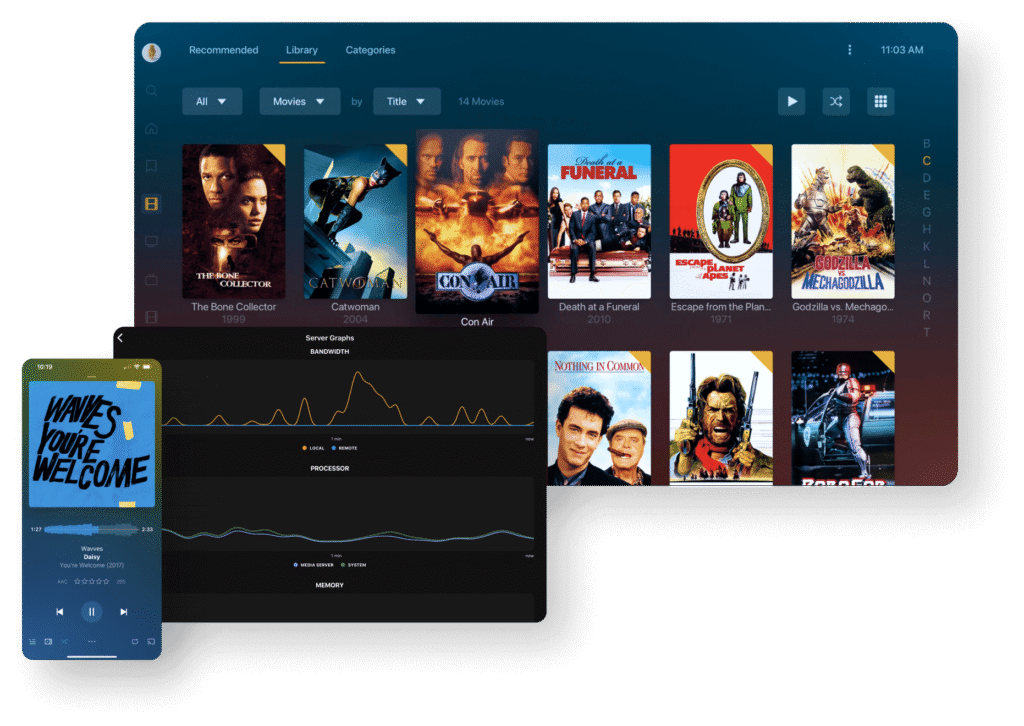
Live TV streaming services have transformed the way we consume entertainment, news and sports in the digital age. Instead of being tied to traditional cable subscriptions, viewers now enjoy the freedom to watch their favorite channels anytime, anywhere, on almost any device. Platforms like Streaming Services make it easier than ever to explore and compare options, helping users choose services that match their preferences and budgets. The shift toward internet-based television is not just a trend—it represents a permanent evolution in how audiences engage with content.
The Shift from Cable to Streaming
For decades, cable television dominated living rooms worldwide. However, as internet speeds improved and smart devices became common, viewers began seeking alternatives that offered flexibility and affordability. Live streaming platforms emerged as a convenient solution, eliminating long-term contracts and bulky equipment. Consumers can now subscribe month-to-month and cancel anytime without penalties. This freedom empowers viewers to tailor their entertainment experiences without unnecessary commitments.
What Are Live TV Streaming Services?
Live TV streaming services deliver real-time television channels over the internet instead of traditional cable or satellite connections. They often include popular networks, sports channels, local stations and sometimes even on-demand libraries. Unlike pre-recorded streaming platforms, live TV options allow viewers to watch events as they happen—whether it’s breaking news, sports championships or live award shows. This real-time access preserves the communal and timely experience that traditional television once exclusively provided.
Key Features That Matter
When evaluating streaming platforms, users typically focus on channel variety, video quality, device compatibility, and pricing. Many services now offer cloud DVR functionality, allowing viewers to record programs and watch them later. Parental controls, multiple user profiles and simultaneous streams are additional features that enhance the overall user experience. A thoughtful comparison on websites such as Streaming Services can help users identify which features align with their needs.
Cost and Subscription Flexibility
One of the biggest reasons people switch to streaming is cost efficiency. Traditional cable packages often include channels that viewers rarely watch, resulting in unnecessary expenses. Live TV streaming platforms usually offer tiered plans, allowing users to pay only for the content they value. Some services even provide add-ons for premium sports or entertainment channels. This flexible pricing structure makes streaming more accessible and budget-friendly for a wide range of households.
Accessibility Across Devices
Another compelling advantage of streaming television is cross-device compatibility. Whether using a smart TV, smartphone, tablet, laptop, or gaming console, viewers can seamlessly access their subscriptions. This multi-device convenience ensures that entertainment travels with the user. Whether commuting, traveling, or relaxing at home, live television remains just a tap away. This level of accessibility has fundamentally changed how and where people watch TV.
Sports and Real-Time Events
Live sports remain one of the strongest driving forces behind the popularity of streaming platforms. Fans want immediate access to games, tournaments, and matches without delays. Streaming services often provide high-definition broadcasts and even multiple viewing angles for select events. The ability to watch games live while also interacting on social media enhances the overall experience, creating a more immersive and connected environment for sports enthusiasts.
Personalization and User Experience
Modern streaming services prioritize personalization. Algorithms analyze viewing habits to recommend relevant content and channels. User-friendly interfaces make navigation intuitive, even for those less familiar with digital platforms. Personalized recommendations save time and make content discovery more enjoyable. Over time, the platform adapts to individual preferences, creating a curated entertainment environment tailored to each subscriber.
Challenges and Considerations
Despite their many advantages, live streaming services are not without challenges. A stable and high-speed internet connection is essential for uninterrupted viewing. Buffering issues, regional restrictions and occasional content blackouts can affect the experience. Additionally, as more services enter the market, managing multiple subscriptions can become overwhelming. Careful research and comparison can help users avoid overpaying or subscribing to unnecessary platforms.
The Role of Comparison Platforms
Choosing the right service requires careful evaluation. Comparison websites like Streaming Services simplify this process by presenting detailed information about pricing, channel availability and features in one place. Instead of visiting multiple provider websites, users can review options side-by-side. This approach saves time and ensures informed decision-making. For first-time subscribers especially, such resources can be invaluable.
Technological Advancements Driving Growth
The rapid growth of streaming services is closely linked to technological innovation. Advancements in cloud computing, adaptive bitrate streaming and smart home integration have significantly improved video quality and reliability. As 5G networks expand, mobile streaming is expected to become even smoother and more accessible. These technological developments continue to push the boundaries of what live streaming can offer.
Impact on Traditional Broadcasters
The rise of internet-based television has prompted traditional broadcasters to rethink their strategies. Many networks now offer their own streaming platforms or partner with existing services. This shift ensures that legacy channels remain competitive in a digital-first world. The competition ultimately benefits consumers by encouraging innovation, competitive pricing and improved service quality across the industry.
Customizing Your Viewing Experience
One of the most rewarding aspects of live streaming is the ability to create a personalized entertainment bundle. Subscribers can combine general entertainment channels with sports, news, and international content based on their interests. Some platforms even allow integration with other streaming apps, creating a centralized hub for all viewing needs. This customization transforms television from a passive experience into an interactive and tailored activity.
Looking Ahead: The Evolution of Streaming Television
The future of live television lies in continued innovation and user-centric design. As artificial intelligence becomes more integrated into streaming platforms, recommendations will grow even more precise. Interactive features such as live polls, real-time chat and enhanced viewing modes may further redefine audience engagement. With competition driving constant improvement, consumers can expect higher quality and greater flexibility in the years ahead.
A New Era of Entertainment Freedom
In today’s digital landscape, live TV streaming services represent more than just a cable alternative—they symbolize a shift toward convenience, personalization and viewer control. From flexible pricing to multi-device accessibility, these platforms empower users to design their own entertainment journeys. By using resources like Streaming Services, consumers can confidently explore their options and select services that truly fit their lifestyles. As technology continues to evolve, live streaming will remain at the heart of modern entertainment, offering unmatched flexibility and real-time access to the content people love most.